

How to Choose a Stand Mixer
Stand mixers last a long time, so it's worth getting the basics right: bowl size, head design and whether you'll use attachments.
Tilt-head or bowl-lift?
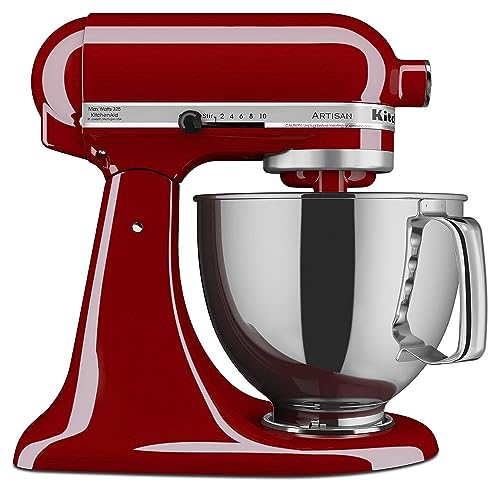
On a tilt-head mixer, the top hinges back so you can lock the bowl in and add ingredients easily. They're usually shorter and fit under cabinets.
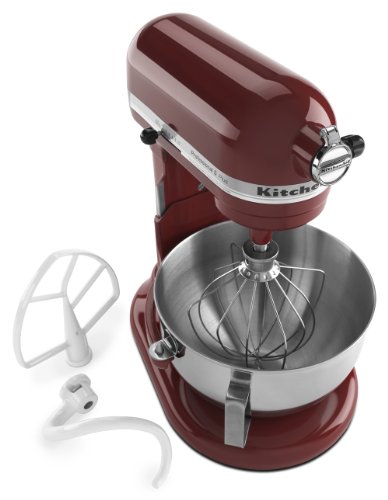
On a bowl-lift mixer, the head is fixed and a lever raises the bowl. This design is sturdier with heavy bread doughs but is taller and slightly less convenient for adding ingredients.
Choose the bowl size
Pick by how much you bake at once:
- 4.5 quarts: occasional baking and smaller batches
- 5 to 5.5 quarts: most households and regular bakers
- 6 quarts and up: large families, big batches and frequent bread baking
Attachments
Some mixers have a power hub for attachments such as pasta rollers, meat grinders and spiralizers. If you want these, check which attachments exist for the brand before you buy.
Practical checks
Before buying, check these:
- Height with the head raised, if you'll store it under cabinets
- Weight, if you need to move it in and out of storage
- Which beaters are included (flat beater, dough hook, whisk)
- Whether a splash guard is included
Frequently asked questions
Is a stand mixer worth it over a hand mixer?
If you bake often or make bread, yes: a stand mixer works hands-free and handles thick doughs. For occasional whipped cream or cake batter, a hand mixer is cheaper and smaller.
Can a stand mixer knead bread dough?
Yes, with the dough hook. For large or very stiff batches, follow the manufacturer's maximum flour capacity to avoid straining the motor.
Related research

The 4 Best Stand Mixers
The best stand mixers for everyday bakers, bread makers and budget buyers, with honest trade-offs for each pick.
ComparisonKitchenAid Artisan vs Classic
KitchenAid Artisan or Classic? Compare bowl size, motor power and features to decide which stand mixer fits your baking.